Your Support Reaches People,
Not Paperwork
Every contribution funds care, water, seeds and training for the communities most exposed to crisis — and least equipped to withstand it.
Why Partner With AAPV
Implementation Capacity, Where It Is Hardest to Find
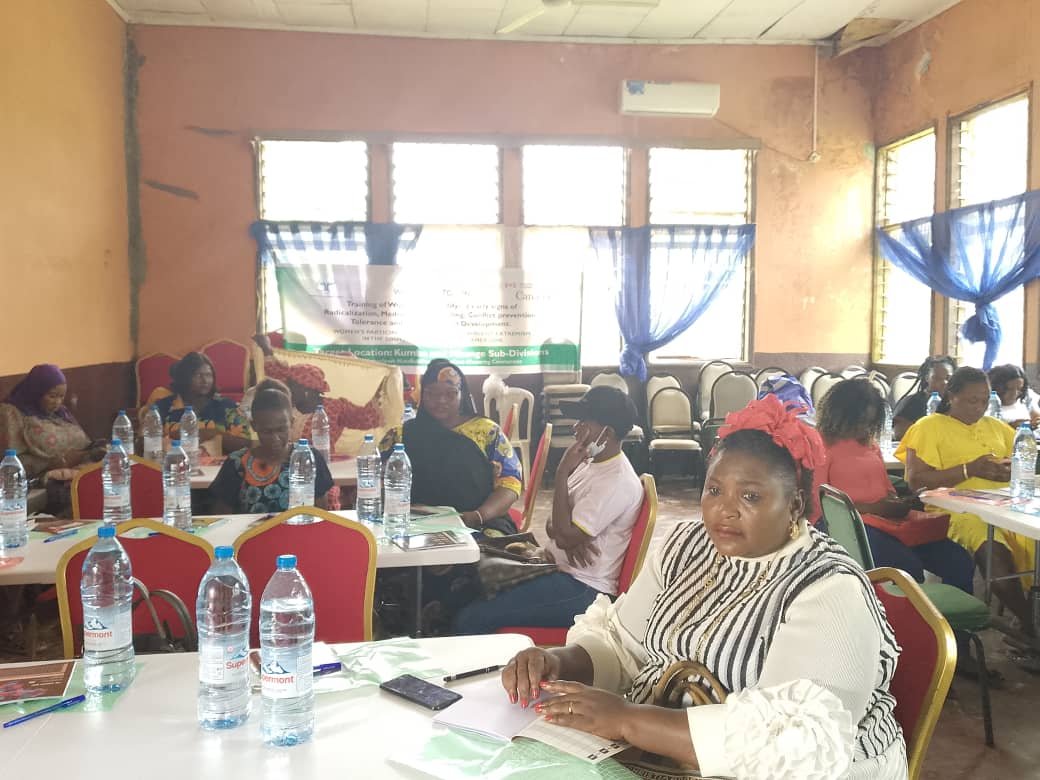
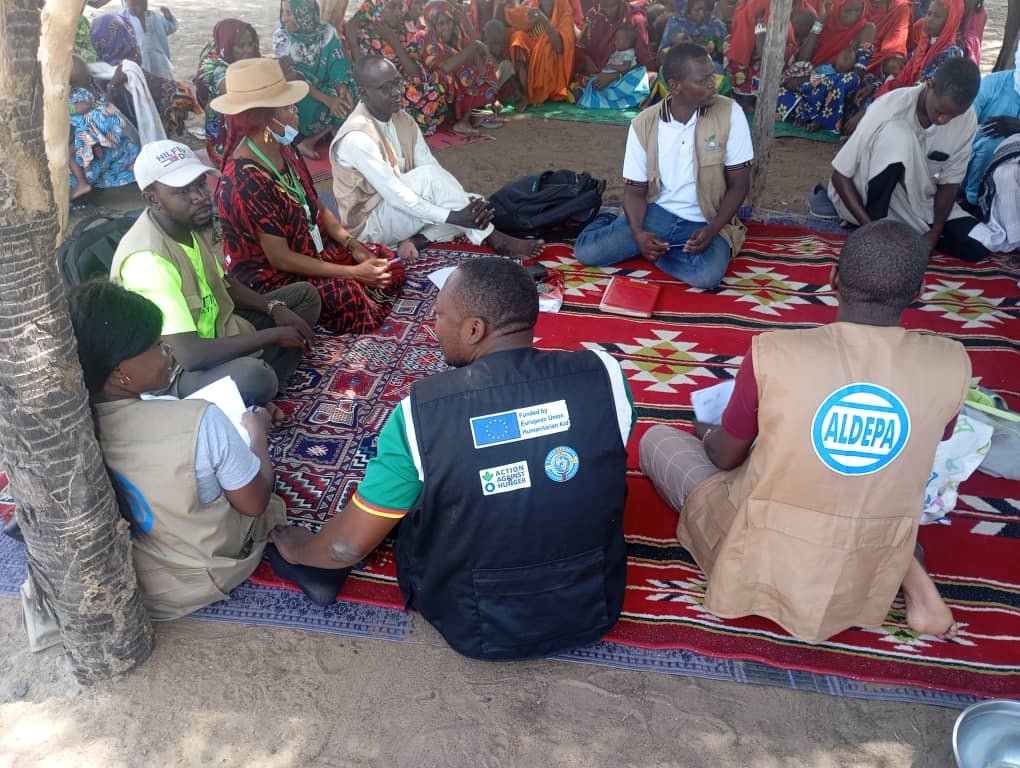
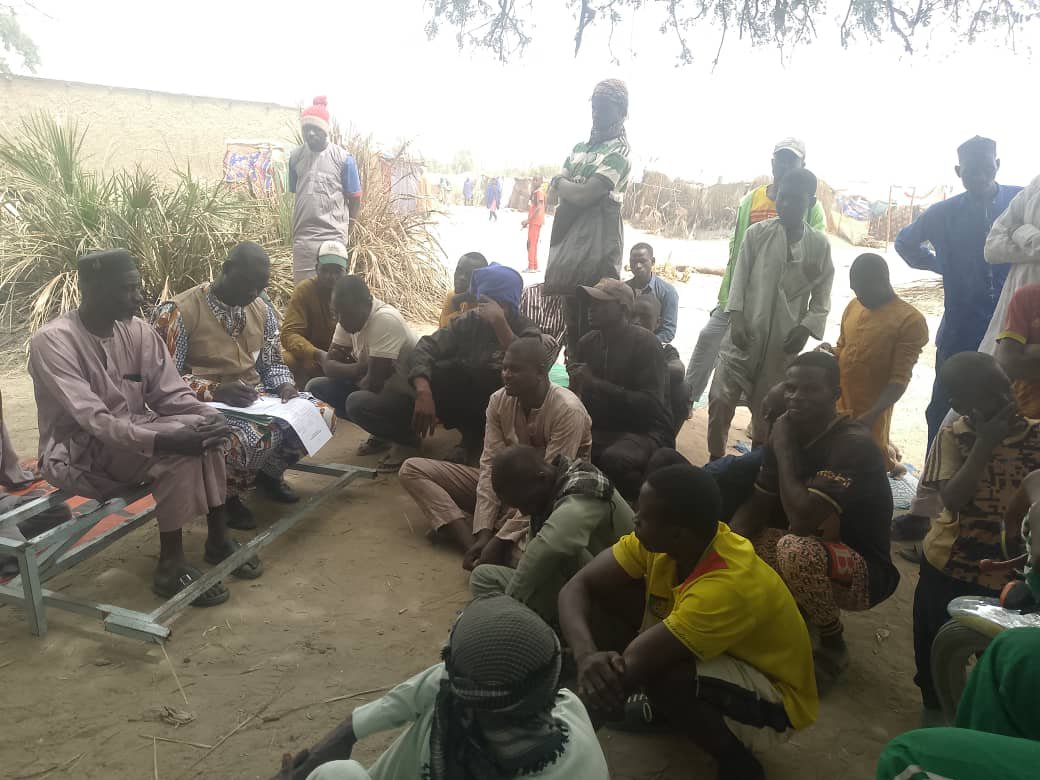
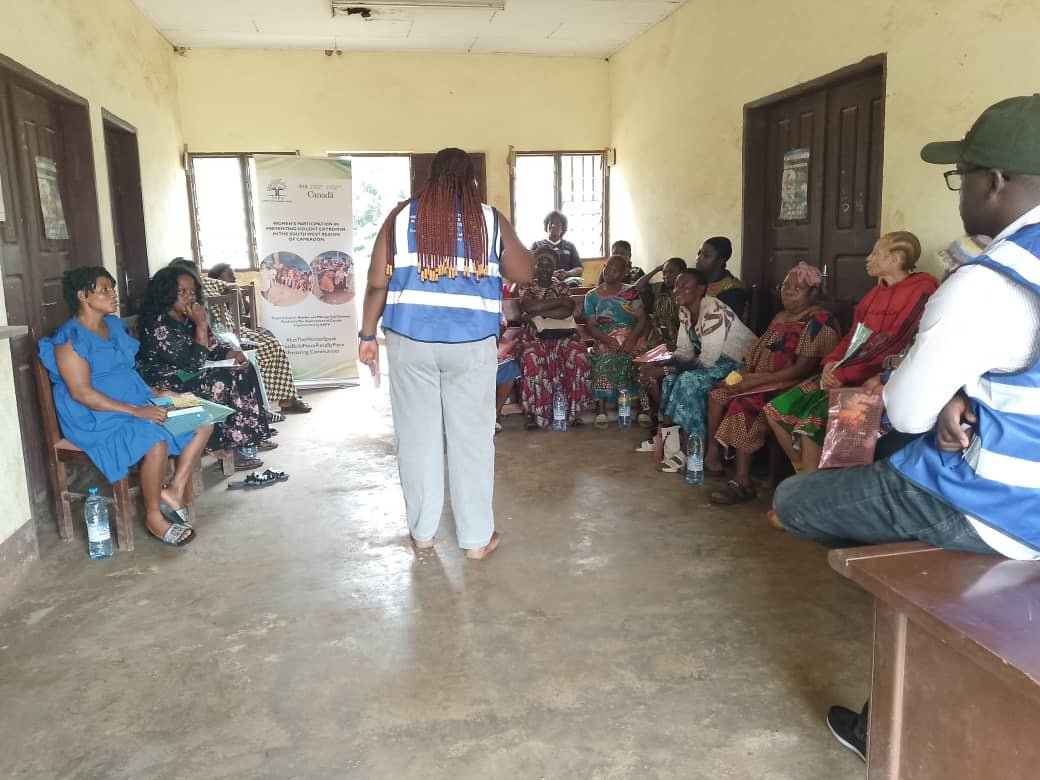
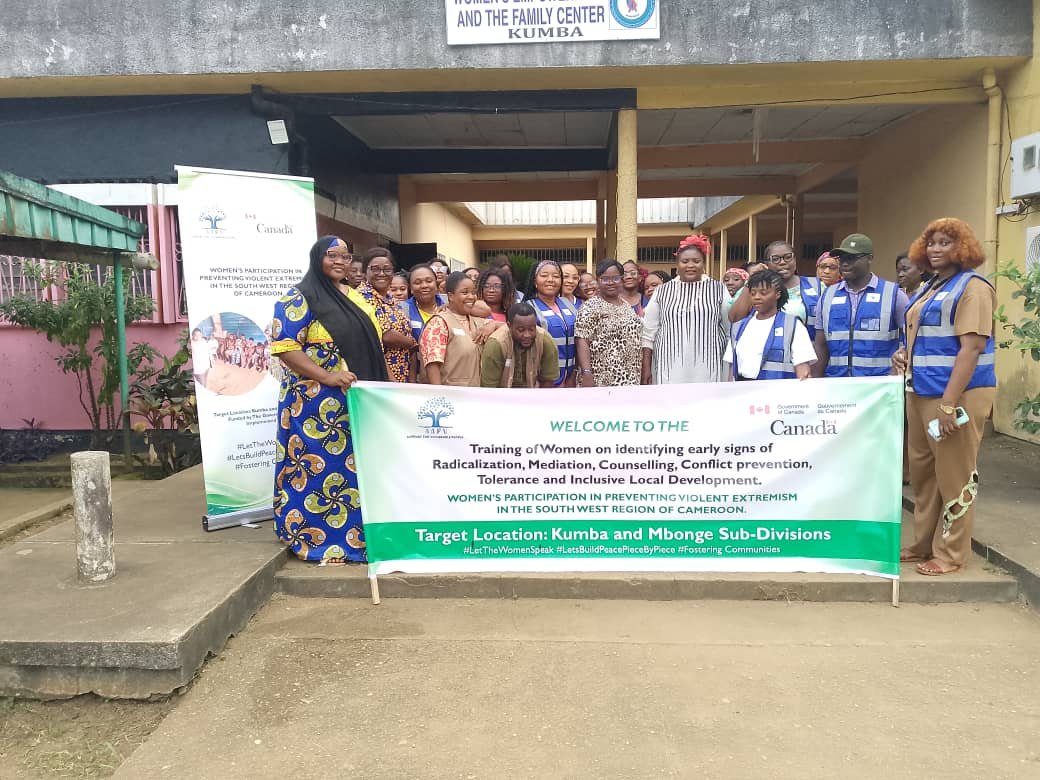
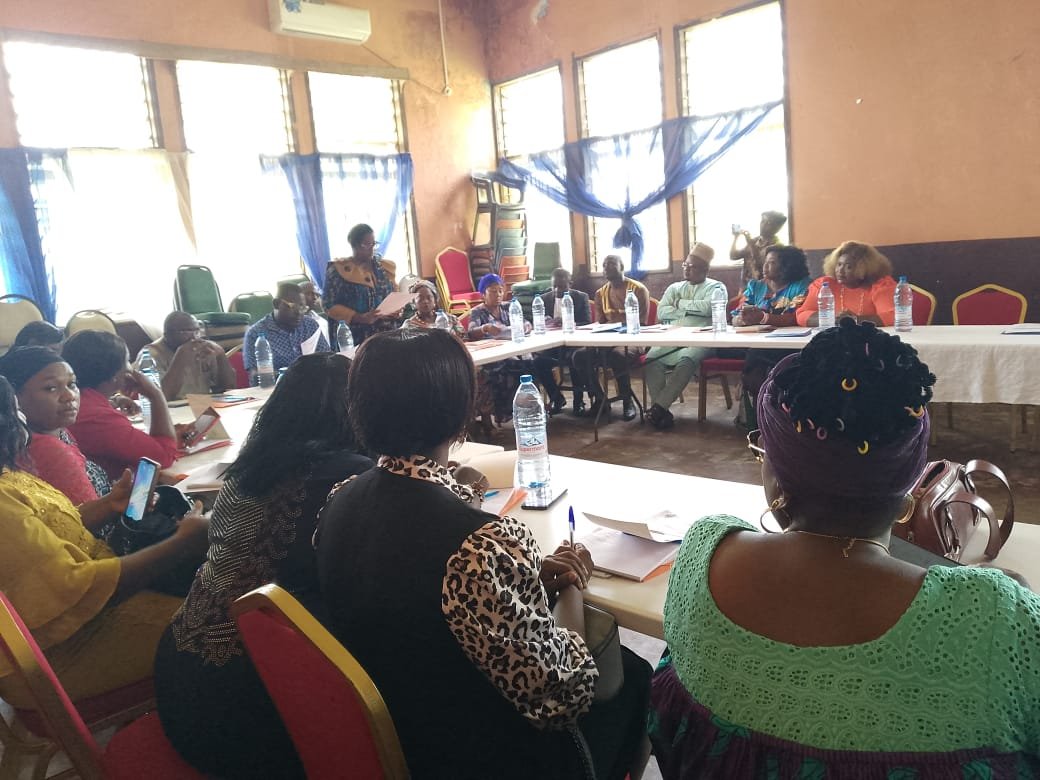
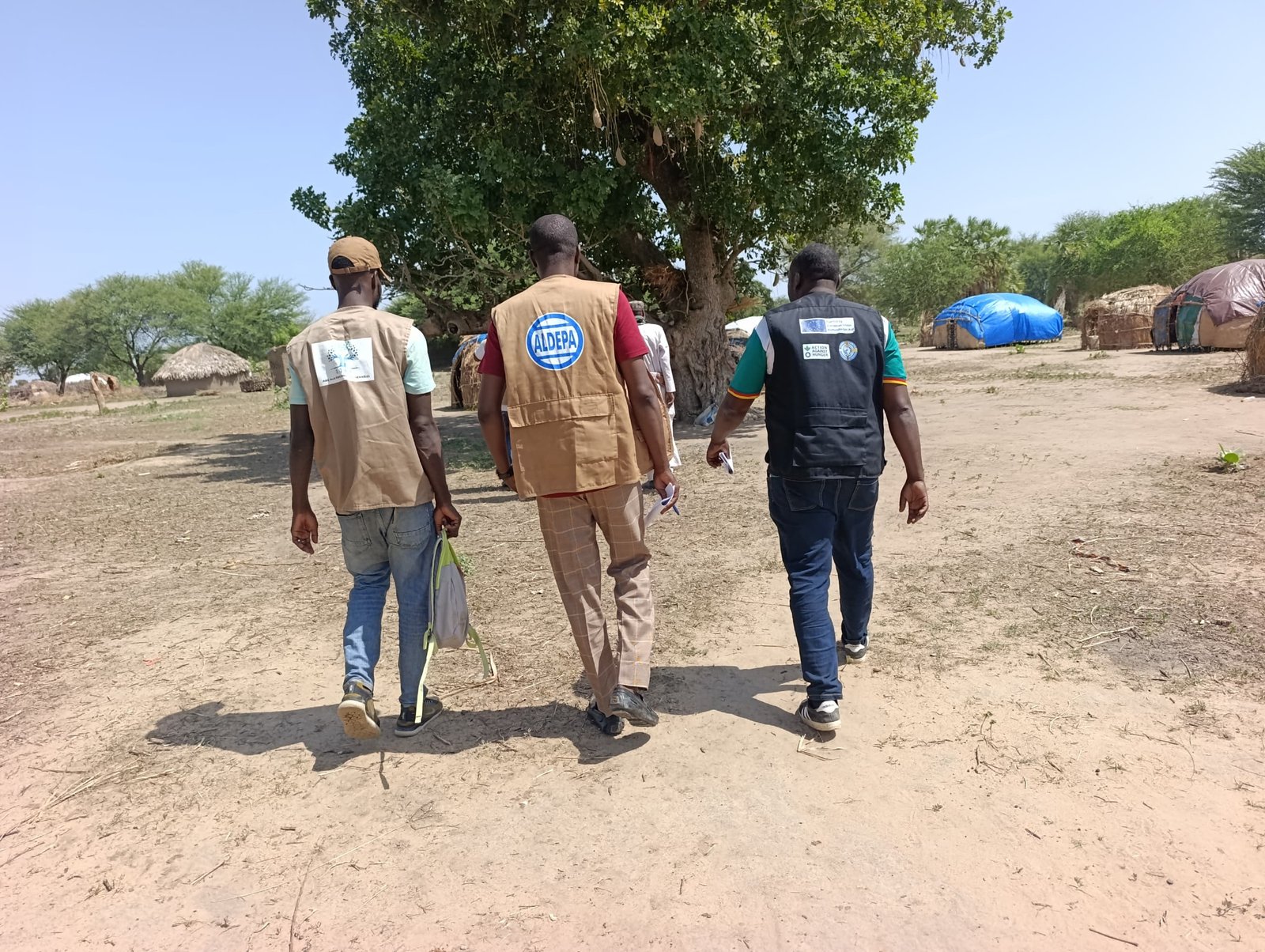
Working in crisis-affected areas requires more than intent. It requires teams who know the terrain, communities who accept their presence, and a framework that holds when conditions change. Operating from Buea and Kousseri, AAPV reaches communities many organisations cannot, including 16 high-priority conflict-affected areas in the North-West and South-West Regions.
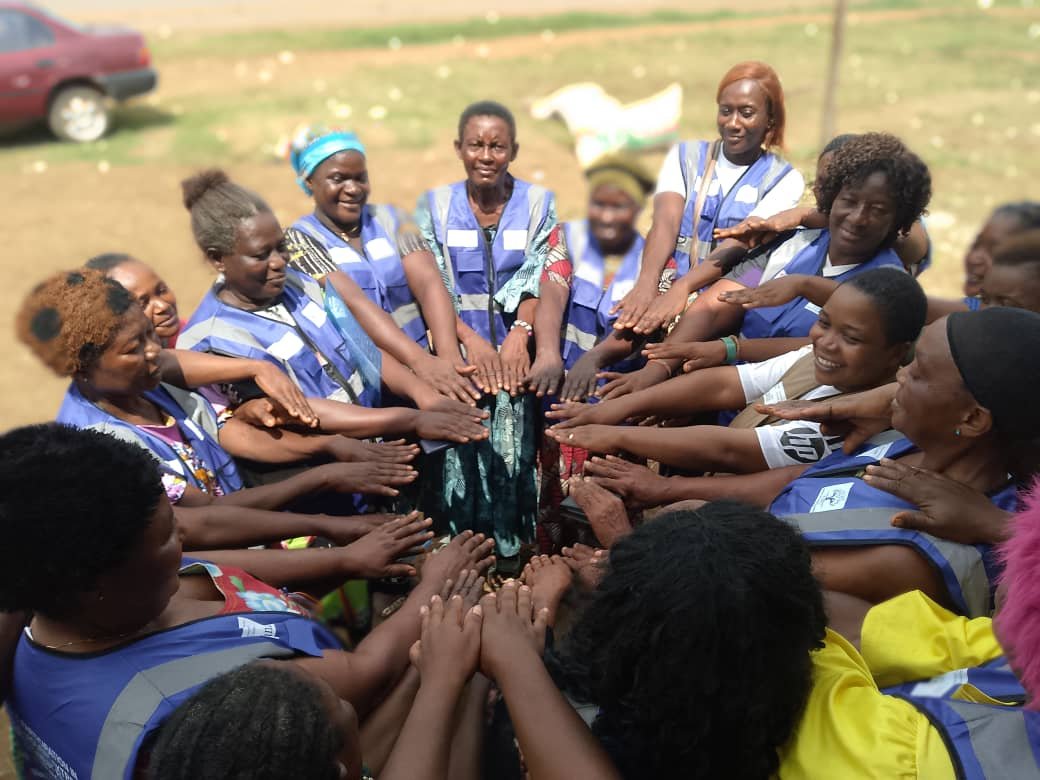
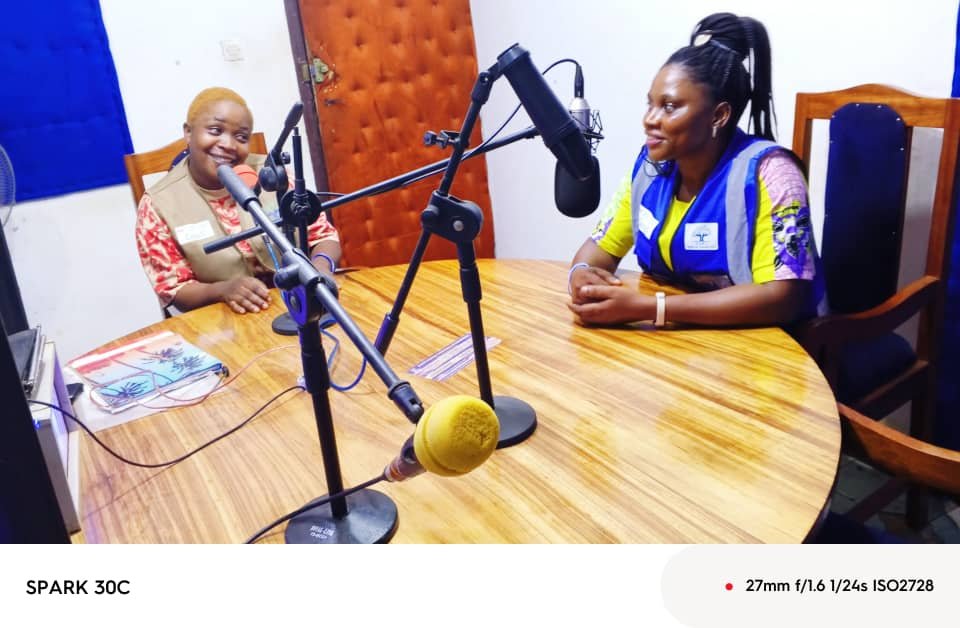
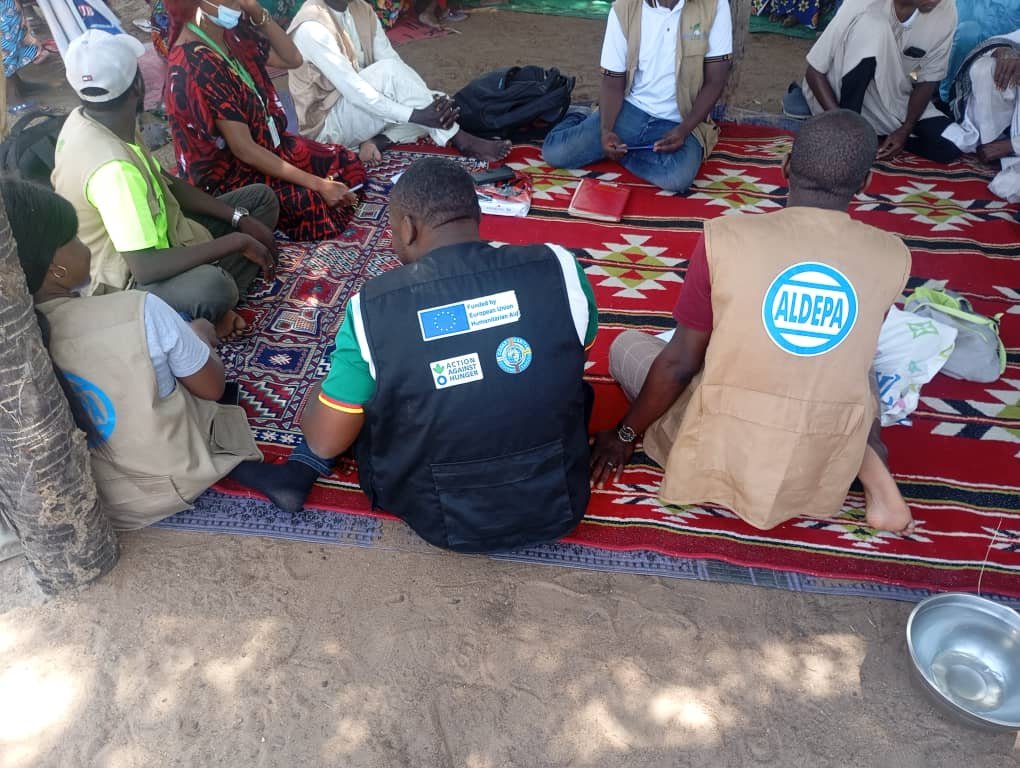
Our eight programmes span health, protection, livelihoods, WASH, peace and the environment, allowing partners to address several dimensions of a crisis through a single implementing partner. Because communities take part in the design and delivery of every intervention, access is secured, relevance improves, and results hold long after a project cycle closes.
We work in coordination with the relevant administrative and security authorities, within a compliant and predictable operating framework, while maintaining strict neutrality, impartiality and independence — the conditions under which humanitarian access is granted and retained. Every intervention is grounded in field assessments, producing the evidence partners need for monitoring and reporting.
Four Ways to
Work Together
Whatever form our collaboration takes, it is built around the same communities and the same standards.
Deliver Programmes on the Ground With Us
For NGOs, agencies and donors seeking a local partner able to implement interventions in areas that are difficult to access, with community acceptance already established.
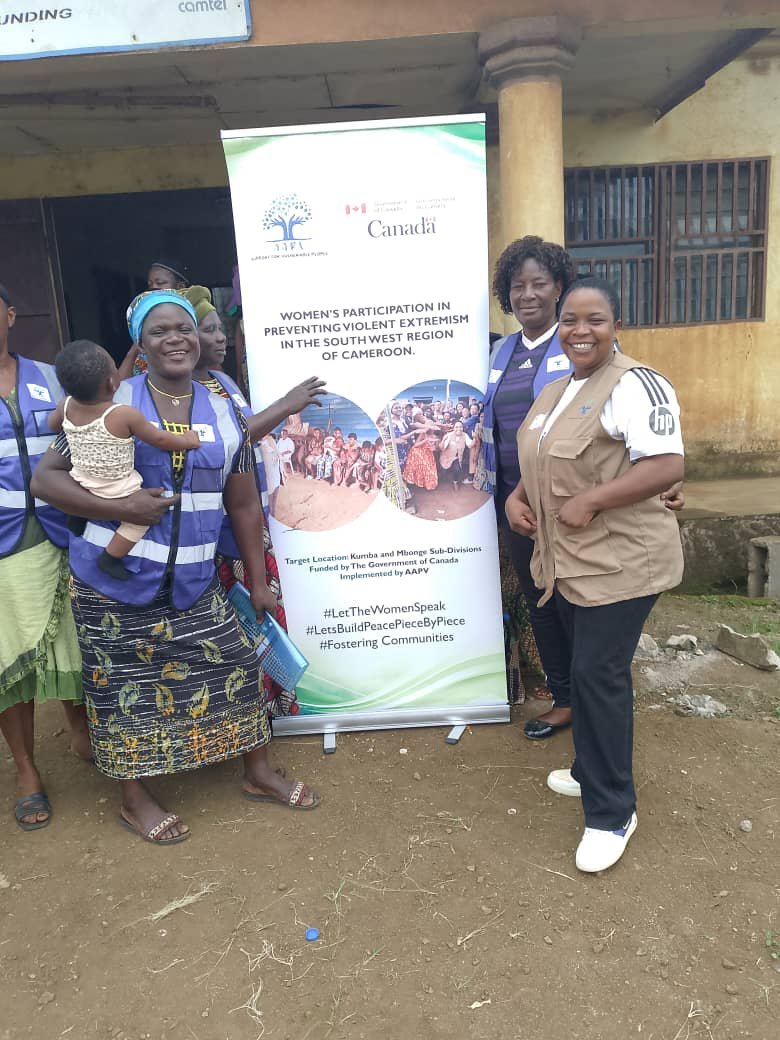
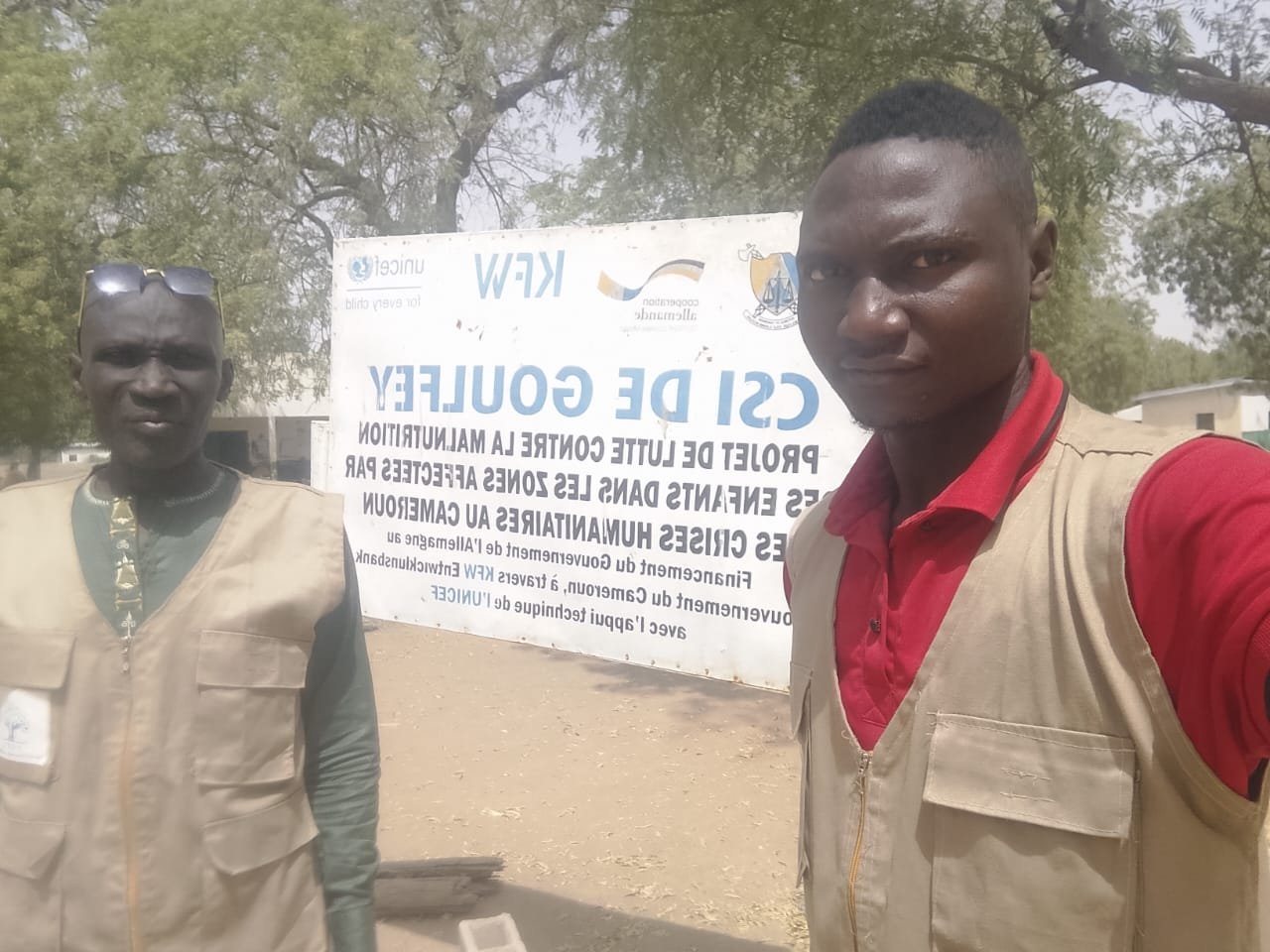
Our Partner Network
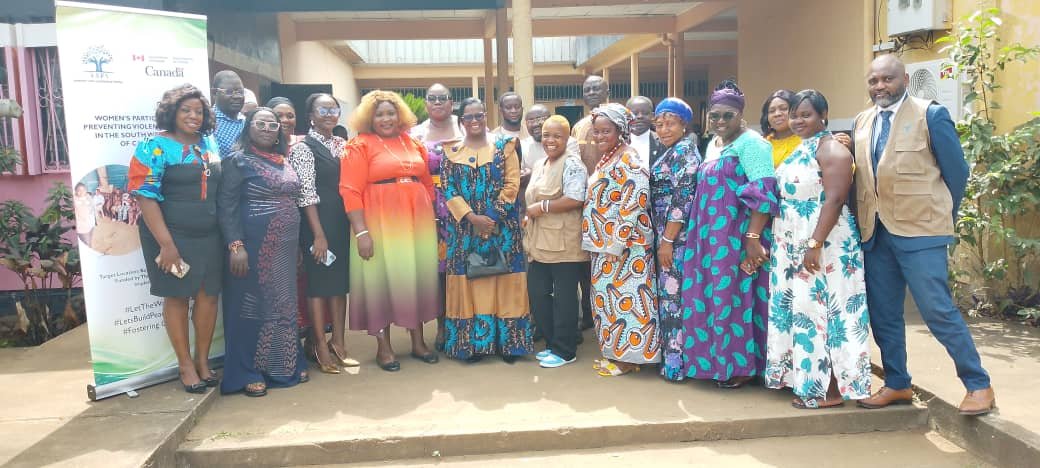
At AAPV, we believe no organisation builds a better world alone. We have built a network of partner organisations across Cameroon, Nigeria, Chad, the Central African Republic, Europe and the United States — sharing good practice, designing projects together and pooling resources for stronger impact.
Choose Where Your Support Goes
Your gift supports work across health, protection, livelihoods and the environment — wherever the need is greatest.
Gender-Based Violence
Preventing violence, supporting survivors and equipping the frontline actors they turn to first.
Medical and Mental Health Support
Supporting peace negotiations, recovery and community-led prevention of radicalisation and all forms of violence.
Mobile Clinics
Bringing primary healthcare, reproductive health services and psychosocial support to hard-to-reach communities.
Peace and Social Cohesion
Supporting peace negotiations, recovery and community-led prevention of radicalisation and all forms of violence.
Food Security and Livelihood
Vocational training, food distribution, micro-enterprise start-up kits and Cash for Work opportunities for vulnerable households.
WASH
Building and rehabilitating water points while raising community awareness on hygiene, sanitation and cholera prevention.
Climate and Environment
Protecting biodiversity, mitigating climate change and strengthening ecosystem resilience through sustainable land management.
Operational and Scientific Research
Field research, situation analyses and needs assessments that inform our programmes and the communities we serve.
Our Track Record
24,982
10+
46+
40
From First Contact to Signed Agreement
Whether through a donation, a partnership or your time, your support helps us reach the people who need it most.
1. Get in Touch
Tell us who you are, what you work on and what you have in mind. A short message is enough — no formal proposal is needed at this stage.
2. Define the Collaboration
We discuss your objectives, our field capacity and the communities concerned, then shape the intervention, the roles and the resources together.
3. Formalise and Deliver
We agree the terms, timeline and reporting framework, then move to implementation with the monitoring your organisation requires.
Partner With AAPV
Partner with AAPV to strengthen humanitarian and development initiatives that respond to community needs and create sustainable impact. Together, we can combine expertise, resources and networks to reach more vulnerable people and build stronger, more resilient communities.